Why Kitchen Plumbing Deserves Careful Attention
The kitchen is one of the hardest-working rooms in any Alton, NH home. Between meal preparation, dishwashing, garbage disposals, and the constant flow of hot and cold water, the plumbing behind your sink and appliances handles more daily demand than almost any other part of the house. When something goes wrong—a slow drain, a leaking supply line, or a disposal that hums but will not turn—it disrupts routines quickly and can lead to water damage that spreads well beyond the room itself.
At Paradigm Plumbing, we treat kitchen plumbing as a system rather than a collection of separate fixtures. A dishwasher, sink, faucet, disposal, and shutoff valves all connect to the same supply and drain network. A problem in one area often signals stress in another. Our approach is to look at the full picture so that a repair today does not become an emergency next month. This kind of thoughtful, system-based service reflects the reason our company exists in the first place.
The Range of Kitchen Plumbing Work We Handle
Kitchen plumbing covers far more than fixing a dripping faucet, although we handle that too. Over the years we have worked on nearly every component that a residential kitchen can include, from simple fixture swaps to full re-piping during remodels. Whether you are updating an older kitchen or dealing with a sudden failure, understanding what falls under this category helps you know when to call.
Our technicians regularly address the following kitchen plumbing needs for homeowners in Alton and the surrounding communities:
- Faucet repair and replacement: Fixing worn cartridges, corroded valves, and leaking bases, or installing modern single-handle and pull-down models.
- Sink installation: Setting drop-in, undermount, and farmhouse sinks with proper sealing and secure mounting.
- Garbage disposal service: Clearing jams, replacing failed units, and correcting improper wiring or drain connections.
- Drain cleaning: Removing grease, food debris, and buildup that slows or blocks kitchen drains.
- Dishwasher connections: Installing supply lines, drain hoses, and air gaps to code so the appliance drains correctly.
- Water line repair: Fixing leaks in supply lines, replacing brittle shutoff valves, and adding lines for refrigerators or filtered water systems.
Each of these tasks carries its own technical requirements. A garbage disposal, for example, needs a properly sized drain trap and a secure electrical connection, while a farmhouse sink installation often requires custom cabinet modifications and reinforced support. We bring the tools and experience to match the demands of the specific job in front of us.
How We Approach a Kitchen Plumbing Job
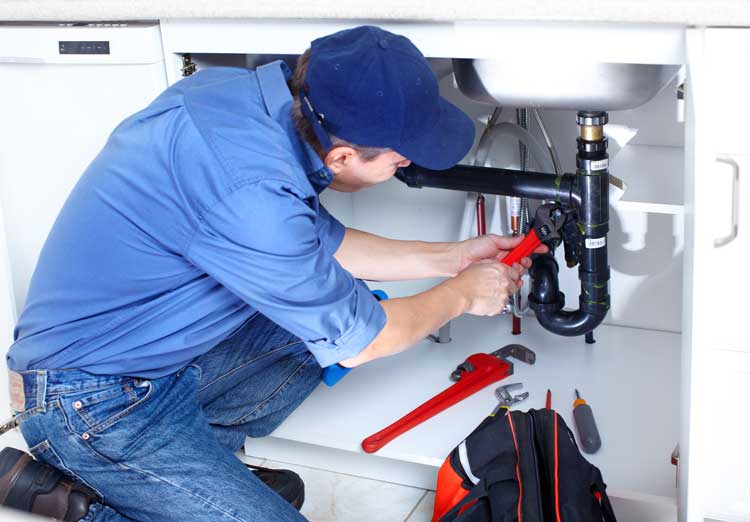
Good plumbing work starts with a clear diagnosis. When we arrive at your home, the first step is to understand the symptom you are seeing and then trace it back to the actual cause. A slow drain might be a simple clog, or it might point to a poorly vented drain line or a partially collapsed pipe. A leak under the sink could come from the faucet, the supply connection, the drain assembly, or the disposal. We inspect each possibility rather than guessing, because a correct diagnosis saves you money and prevents repeat visits.
Once we identify the problem, we explain what we found in plain terms and describe the options. Some situations call for a straightforward repair, while others make more sense as a replacement—particularly when a fixture is old, corroded, or no longer supported by available parts. We give you the information you need to make the decision, and we never push work that does not serve you. This transparency is central to how Paradigm Plumbing operates.
During the work itself, we protect your cabinets, flooring, and countertops. Kitchen plumbing often means working in tight spaces beneath sinks and behind appliances, and we take care to leave the area clean and functional when we finish. We also test every connection under pressure before we consider the job complete, checking for leaks at supply joints, drain fittings, and appliance hookups.
Technical Details That Make a Difference
Kitchen plumbing involves standards and specifications that matter for both safety and long-term performance. Supply lines commonly run in half-inch copper, PEX, or braided stainless steel connectors, and each material has its place depending on the application and the existing plumbing. Drain lines for a kitchen sink typically use one-and-a-half-inch or two-inch pipe, sized to carry away water and food waste without frequent clogging. Proper venting keeps drains flowing smoothly and stops sewer gas from entering the home.
Water pressure and flow also play a role in how well a kitchen performs. Too little pressure makes filling pots and rinsing dishes frustrating, while excessive pressure stresses fixtures and shortens their life. When we install a new faucet or connect an appliance, we consider flow rates and pressure so the fixture works as intended. For homes with well water, which is common throughout the Alton area, we account for the specific conditions that affect fixtures and connections, including sediment and mineral content that can wear components over time.
Attention to these specifications is what separates a lasting installation from one that fails early. A dishwasher drain hose that lacks a proper high loop or air gap can allow dirty water to flow back into the appliance. A disposal connected to an undersized drain will clog repeatedly. We follow accepted plumbing codes and manufacturer requirements so that every component functions the way it should.
Common Situations We See in Alton Kitchens
Many kitchen plumbing calls follow familiar patterns. A homeowner planning a remodel needs a sink and faucet relocated, or wants a new island with a prep sink that requires fresh supply and drain runs. Another homeowner notices a slow, persistent leak that has begun to warp the cabinet floor. Someone else runs the disposal and hears a grinding sound followed by silence. Each of these calls has a practical solution, and each benefits from a technician who understands both the immediate fix and the surrounding system.
We also handle the quieter problems that build over time. Mineral buildup can restrict a faucet aerator and reduce flow to a trickle. Aging shutoff valves can seize, making even a simple faucet replacement more complicated until they are addressed. Recognizing these issues early keeps small problems from turning into disruptive ones, and it is part of the value we bring to every visit.
Why Homeowners Choose Paradigm
Paradigm Plumbing was founded in 2006 by Stephen (“Steve”) Labbe, who brings over 26 years of experience in the plumbing, heating, and air conditioning industry. That depth of experience shapes how we handle every job, kitchen plumbing included. Our motto, “Experience the Paradigm Shift,” was coined to encourage an industry shift toward the ideology of a plumbing, heating, or air conditioning contractor who provides the best quality customer service. That standard guides how we communicate, how we work in your home, and how we stand behind the results.
We serve Alton, NH along with Hooksett, Manchester, Concord, Suncook, Pembroke, and Bedford, NH and the neighboring communities, offering plumbing, heating, and air conditioning services under one roof. When you call about a kitchen issue, you reach a company that values doing the work correctly the first time and treating your home with respect. If you have a leak, a clog, an appliance connection, or a full kitchen plumbing upgrade in mind, reach out to Paradigm Plumbing and let us bring practical, dependable service to your project.